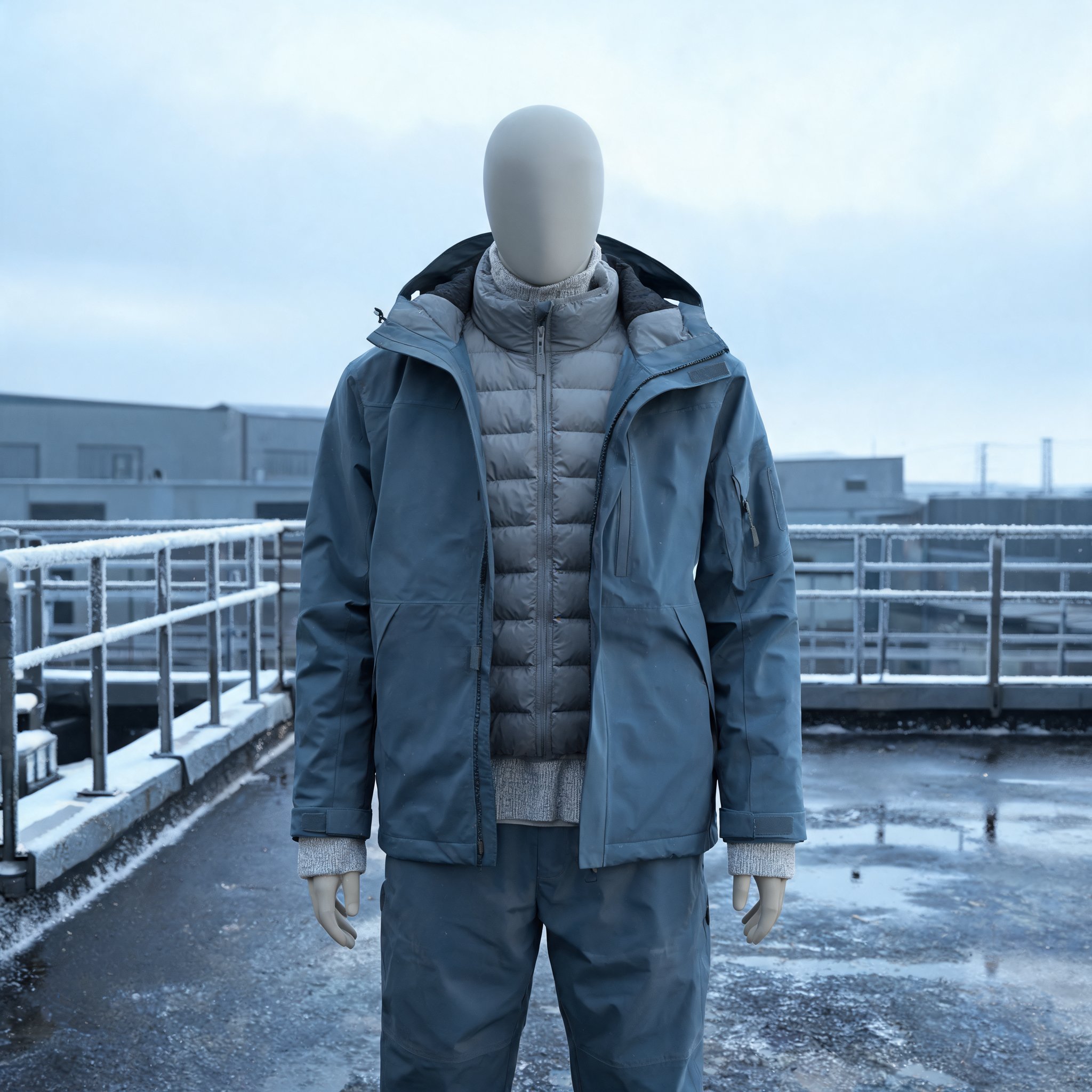
CWS Workwear International GmbH has published guidance on winter personal protective equipment (PPE), identifying five typical protection gaps for outdoor work. The Dreieich-based company says risks rise when PPE is incorrectly selected or combined, especially as shorter days, wetness and frost alter conditions at outdoor workplaces.
According to the guide, many protection gaps emerge from the interaction between clothing layers rather than from a single defective item. Individual garments may be certified, but the combination actually worn may not meet the requirements of the relevant standards. This distinction matters for employers and workers who assemble winter clothing from separate pieces.
The company's guidance places particular emphasis on adapting PPE to winter conditions. Cold, wet and icy weather can change the hazard profile at outdoor sites, yet the PPE in use is often not adjusted to match. CWS Workwear says this can leave workers exposed despite the use of certified products.
While the guide names five typical gaps, the published summary focuses on the layering problem. It does not set out test results or a detailed breakdown of each gap. The guidance therefore draws attention to the worn combination, not only to individually approved garments.
For outdoor operations, the relevant question is how the worn clothing layers interact as a combination. The protection requirement applies to the assembled system under cold, wet and frosty conditions.