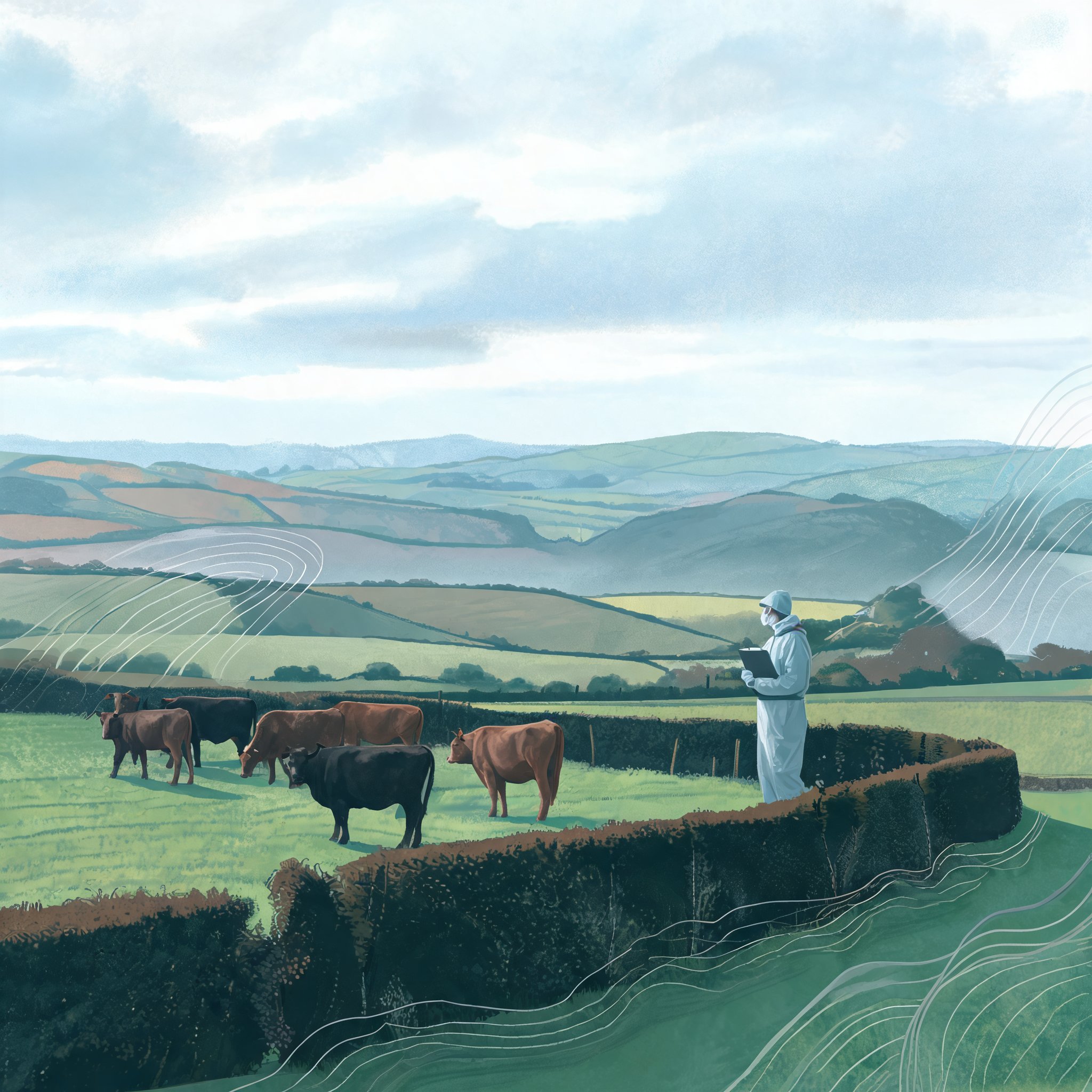
Bovine tuberculosis (TB) levels in north Kerry and west Limerick are running above the national average and are being treated as a significant concern, Minister of State at the Department of Agriculture, Food and the Marine (DAFM) Niall Collins said at the Listowel Food Fair Farming Seminar.
The event, held at the Listowel Arms Hotel, drew a large attendance of farmers from across the region. Collins said the department was closely monitoring the local disease pattern and was aware of the emotional and financial strain a TB breakdown places on farmers, their families and communities.
He described the rise in north Kerry and in his own west Limerick as worrying. According to the minister, DAFM is tracking the increase on a day-to-day basis, and he has asked for additional manpower for local staff to help reverse the trend.
National picture improves
Collins set the local concern against a national decline. He said bovine TB had fallen by about 10.9% nationally compared with the same point a year earlier. Department statistics covering the 12 months to September 27, 2026 put national herd incidence at 5.40%, down from 6.08%.
The number of restricted herds stood at 5,353, a decrease of 12%, while reactors numbered more than 36,374, down 9.5%. Above-average disease levels persisted in several regions, the figures showed. The minister attributed the national reduction to joint efforts by stakeholders to engage with and support farmers in lowering the risk of TB in their herds.
He said the department's focus remained on reducing disease levels, which would in turn lessen the impact on farm families, cut programme costs and reduce costs for farmers and taxpayers.
Budget and action plan
More than €142 million has been earmarked for bovine TB measures under Budget 2027, Collins told the seminar. The existing valuation ceilings for reactor animals have increased by €500.
The minister said the overall allocation was lower, explaining that this reflected the national reduction in bovine TB of about 10.9% year on year.
The Bovine TB Action Plan, launched in September 2025, contains about 30 actions backed by scientific research, evidence and veterinary expertise. In April, changes were introduced to animal testing and animal movement requirements to reduce cattle-to-cattle transmission.
He said he was confident that focusing efforts locally, alongside the action plan and this year's changes, would drive disease levels down further. He added that the department would continue to monitor the increase in north Kerry and west Limerick in real time because of its significant impact on farmers, farm families and communities.