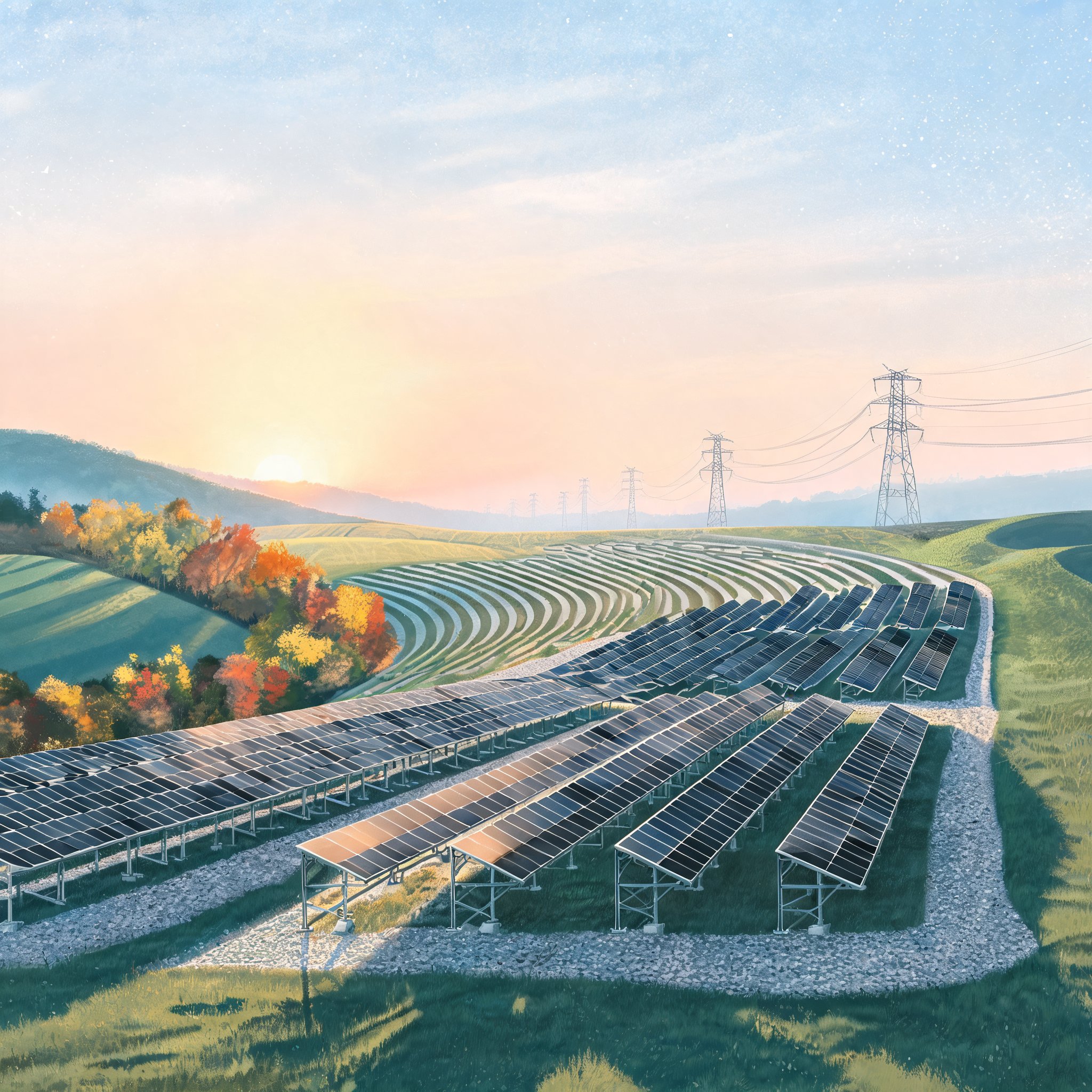
DTE Energy is seeking up to 150 megawatts of new solar generation in Michigan through a competitive procurement, a plan the company says will create construction jobs, support local communities and save customers money on fuel costs.
Procurement terms
The solicitation supports the requirements of a settlement agreement in Michigan Public Service Commission Case No. U-21662, which was approved on May 15, 2025. DTE said it is accepting competitive proposals for projects totaling up to 150 megawatts of new Michigan-based solar generation.
To qualify, projects must be located in Michigan and interconnect either to the MISO transmission system or to DTE's distribution system. Commercial operation must be achieved by June 30, 2030. Interested bidders can register and obtain additional information through PowerAdvocate, with proposals due Jan. 19, 2027. DTE expects to execute contracts in the second or third quarter of 2027.
The solicitation is framed as "up to" 150 megawatts, so the volume ultimately contracted will depend on the proposals DTE selects.
Fuel costs and customer bills
Because solar generation does not require fuel, the company said the projects would help reduce its exposure to changing fuel prices over their operating lives. DTE also said the additions support its work to provide customers with energy that is reliable, increasingly clean and affordable.
The company described the procurement as an investment in Michigan and its communities. By producing more Michigan-made energy that does not require the purchase of fuel, DTE said it can help lower energy costs for customers and reduce reliance on fuel from outside the state. The projects are also expected to create jobs and bring new investment and tax revenue into local communities, which the company said would give schools, first responders and other services more resources.
Portfolio and long-term targets
DTE describes itself as a producer of and investor in renewable energy in Michigan, generating enough clean energy from wind and solar to power nearly one million homes. As it works toward net zero carbon emissions, the company says it remains committed to growing its renewable portfolio while keeping a balanced mix of energy resources that supports reliability and affordability for customers. Its 2026 Integrated Resource Plan calls for an additional 15 gigawatts of renewable energy by 2042, a target far larger than the current solicitation, which covers at most 150 megawatts of solar.
The 150 megawatts represents planned capacity, and the job creation, fuel savings and tax revenue are the company's stated expectations for projects that have not yet been contracted or built.